A lifestyle
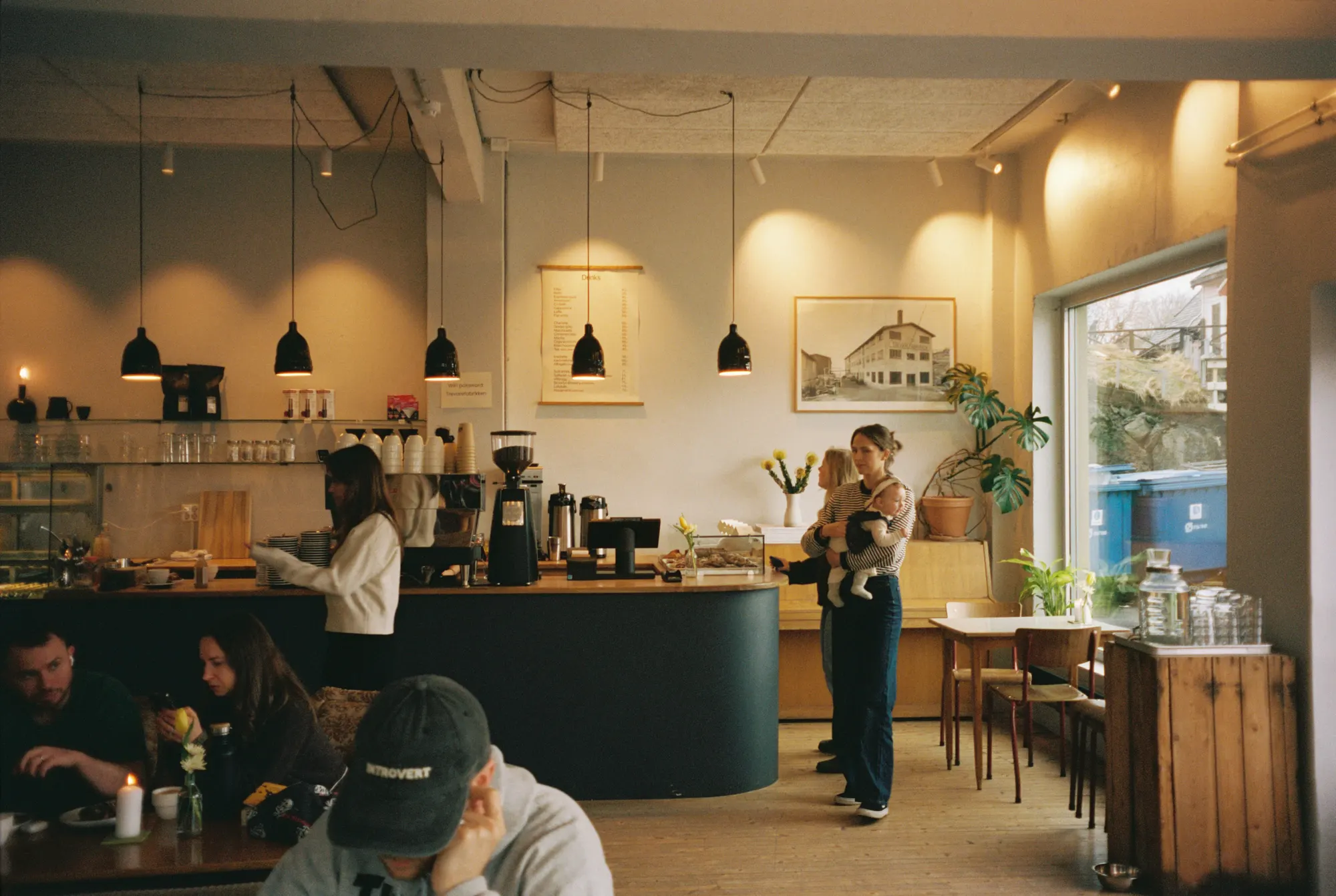
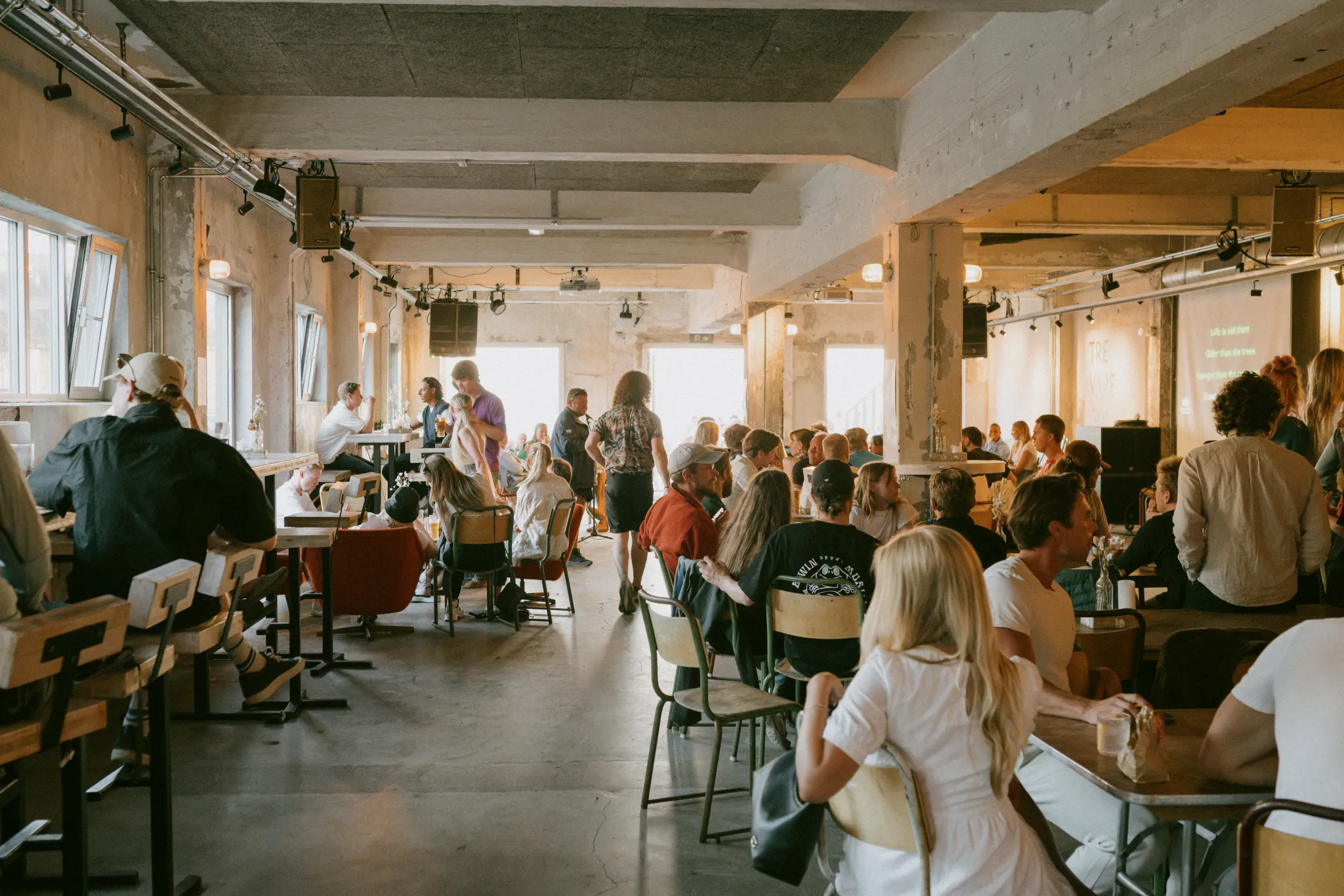
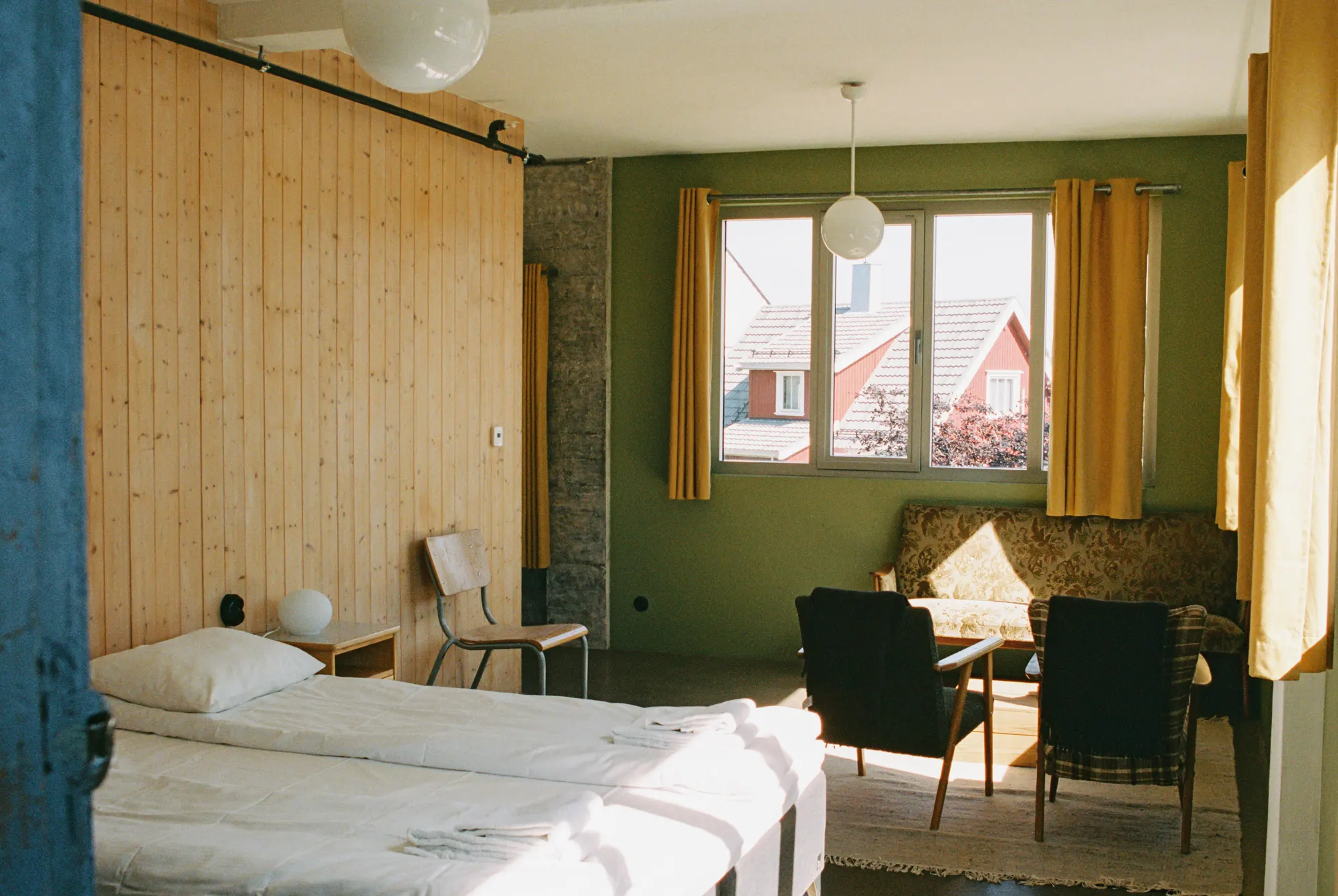
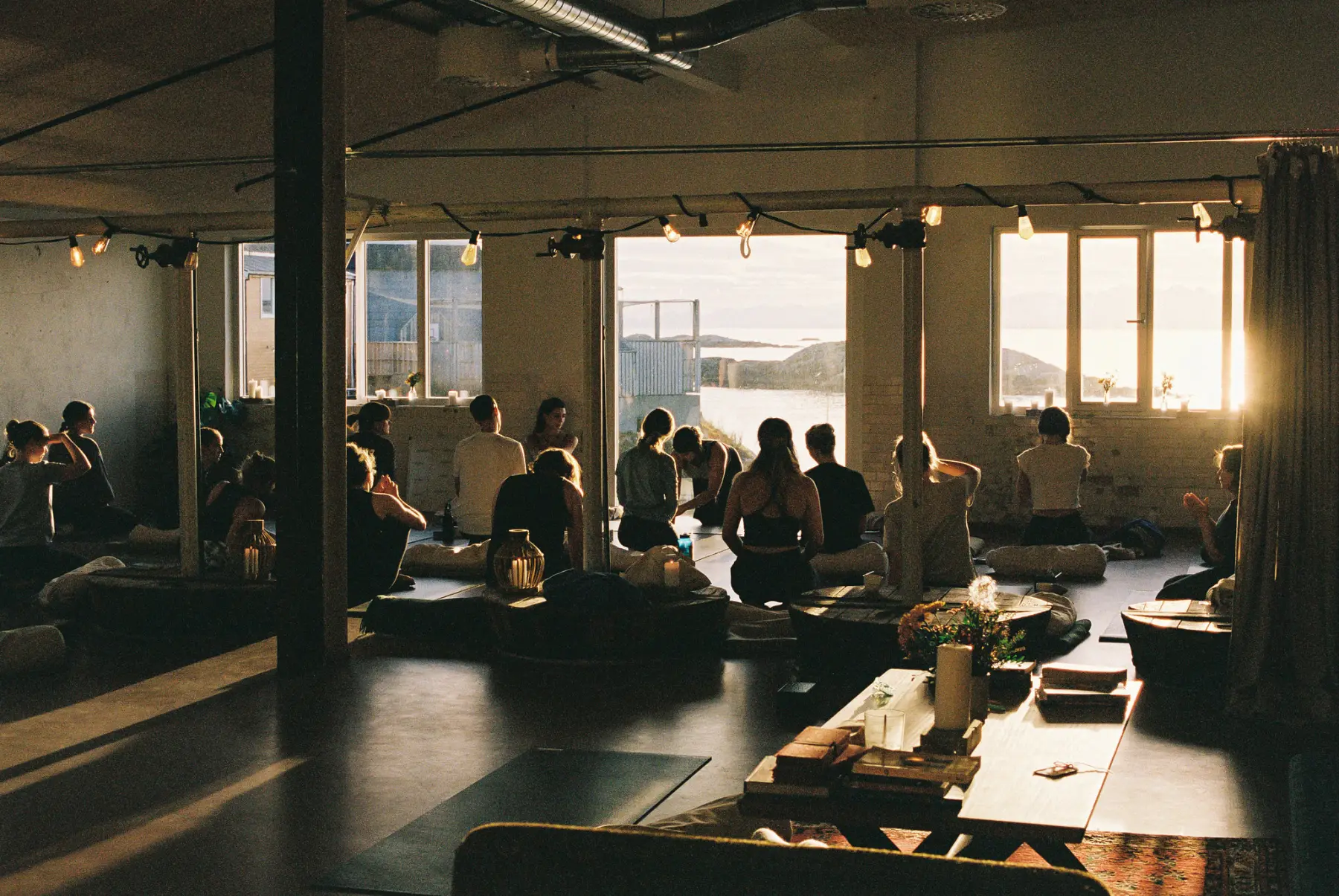
Trevarefabrikken is housed in a former woodworking factory on the harbour of Henningsvær, a fishing village on the outer edge of Lofoten. Four founders bought the derelict building in 2014 and spent a decade restoring it, room by room, into a place that resists a single label. Today it’s a hotel, a restaurant, a bar, a café, a sauna, a yoga studio, and a concert venue – all in one.
“It’s not just a hotel,” says Mats Alfsen, CEO and one of the four founders. “It’s more of a lifestyle or an experience. You tap into a different way of life while you’re here.”
For guests, that plurality is the appeal. Behind the scenes, it meant juggling six different systems.
Six systems, one trained person
Each thing guests could book required its own platform. Rooms ran through one, yoga through another, concert tickets through a third, festival tickets through a fourth. Behind those sat the reservation system and the restaurant till. Six systems, each with its own version of the truth.
“We sold things in a lot of different places, which meant guests never really saw what Trevarefabrikken is.”
A guest who arrived through the yoga portal saw a yoga place. A guest who came through the ticketing site saw a concert venue. The full picture – that you could sleep, eat, take a sauna, do yoga and catch a show in the same place – rarely reached them until they were already there.
The deeper problem was operational. The booking system lived on the front-desk computer, and it took special training to run. “I never really understood it,” Mats says. “It was all about ticket types, and it had nothing to do with running a hotel.” Only the receptionist could operate it, which meant nothing could happen unless the receptionist was there. So the front desk could never close. A guest asks the barista whether there’s space in the sauna that evening, and the barista has to say: “Sorry, I’m just the barista. You need to wait till the receptionist comes.” “That makes them feel bad,” Mats says.
Trevarefabrikken needed one system for one business that sells rooms, events, food and services together.
Rolling out
Mats had been let down by software before, and he says so plainly. Years of testing systems that promised everything and delivered part of it. “They kind of oversell it,” he says. “We have been disappointed so many times.”
He came to SERVOS through a long prior collaboration and he went in with his eyes open. “Of course it is a risk. It’s a product that still doesn’t exist,” he says. What persuaded him was years of shared frustration, finally pointed at the actual problem.
“Why hadn’t anyone built this yet?”
He didn’t cut a live hotel over on a promise. The first thing ever sold on SERVOS was a single concert, put on sale in late November. One event was cheap to move and cheap to walk away from. The first ticket sold within a couple of minutes. Then more events, then the rooms, and finally the sauna and yoga. The migration itself was deliberately quiet: the old bookings imported and checked ahead of time, so guests kept arriving the whole way through.
What Mats credits most is that the team was small and listened. “SERVOS has been incredibly responsive,” he says. “They took the time to understand the challenges we actually have and came back with solutions – sometimes better solutions than the ones we suggested. They took it seriously. That’s the important thing.”
One guest, one system
Unifying everything also changed what staff could offer in the moment. A guest calls from the car to book a room; they send a payment link and it’s done. A guest halfway up a mountain calls to add an evening sauna. “I have all your contact info, and everything is ready in SERVOS,” Mats says. “Even if it’s a completely different service, all the information is already there.”
It works for the small things that make a stay memorable. A couple celebrating something wants champagne waiting in the room. “We just add it, we send the payment link, and it’s prepped before they arrive.” The old way meant pulling someone aside at check-in to settle payment before they could open the bottle. Now it’s one order and one history for the guest, whatever they booked.
Fewer hours at the desk
The clearest saving came from the staff app, which puts the everyday tasks – check-ins, checkouts, housekeeping – on the staff’s phones, so no one had to walk to the desk.
Now the receptionist – who doubles as breakfast host – goes home when breakfast ends, instead of staffing the desk until nine. The late shift is gone too: the bar hands the last arrival a key card. Housekeepers run their own checkouts from their phones. “We’re saving, without exaggeration, maybe two hours a day,” Mats says.
“You cannot have 10% of a barista. To have an open café, you need a barista – they have extra capacity. So why can’t they check in people? There’s no reason for it, if they have a system they can understand.”
For Mats, confidence mattered more than the hours. A complex system handed to a busy barista just creates stress. An intuitive one does the opposite. “They can think: wow, I’m just a barista, but I can handle the hotel side too.” He has a Norwegian word for it – mestringsfølelse, the feeling of being equal to the task.
Keeping the booking
Every booking that comes straight to the hotel instead of through an OTA is margin Trevarefabrikken keeps.
“We can push the ship away from the OTAs in a much more sophisticated way than before.”
Where the old setup was all-or-nothing, SERVOS lets Trevarefabrikken decide exactly what to expose to the OTAs and what to hold back. “Some rooms, we really don’t want open on the OTAs at all. We want to sell those in-house,” Mats says. “We get more direct bookings than we would with any other system.”
The verdict
Mats isn’t a man who hands out easy praise, and he still keeps an eye on the risks of betting on a young company. But asked whether the bet has paid off, he doesn’t hesitate for a moment: “We’ve not regretted a single second.”